

Sticking to the same old routine might not cut it anymore. Managing buildings in 2026 means stepping up to new challenges and trends. At least, that's according to this year's "The state of facilities management report", created by Ecotrak, one of the world's largest providers of asset and facility management software across 15,000 locations.
About the survey
Here is a summary of the highlights and outlook for 2026:
Budgets are staying flat (but costs are rising)
Most building managers in the survey said they don't expect bigger budgets in 2026. In fact, nearly 60% said their budgets will stay the same. For those getting extra funds, it's mostly for preventive maintenance.
Building managers report challenges such as:
- Slow service provider response times and inadequate follow-up.
- Repairs that require multiple visits to complete, with low first-time fix rates.
- Delays in processing proposals and invoices.
- Poor communication about technician dispatching.
- Difficulty scaling company processes and managing staffing.
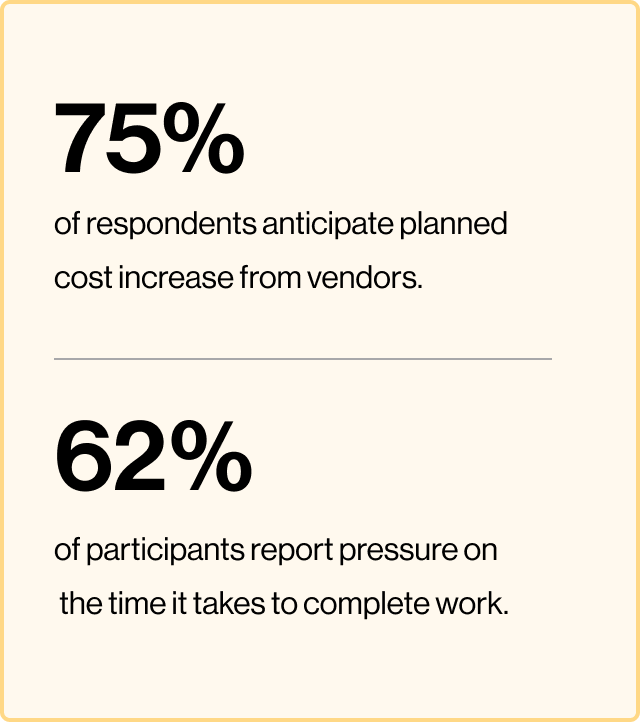
The bottom line: Doing more with less may be stretching more teams this year.
High turnover – mixing internal teams and outside help works best
Quick fixes are a top priority, but finding the right person for every job isn't easy. Many facility managers now rely on a hybrid approach: combining in-house technicians with external providers.
- Most organisations do not have challenges with staffing, with nearly 90% of respondents claiming they are not experiencing labour shortages within their organisation. However, for those with high staff turnover rates, they mentioned the difficulty of constantly training new hires.
- Only 25% plan to add roles or increase headcount in 2026, with most not expecting team expansion.
Tech is a big help (if you use it well)
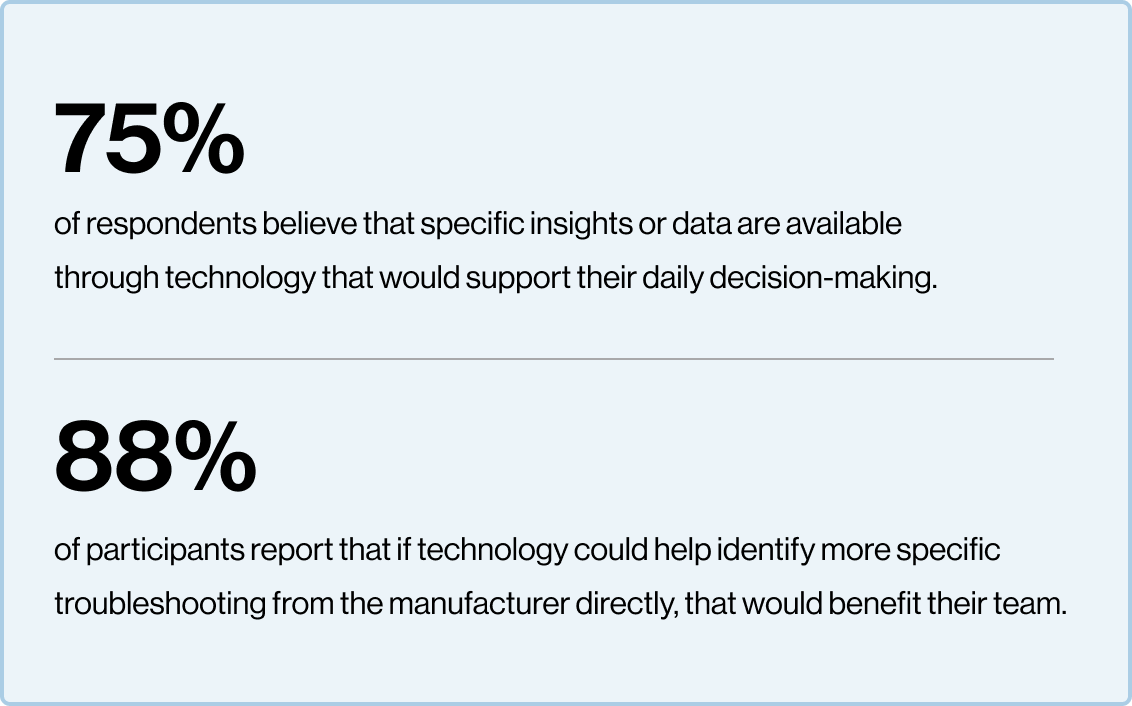
To meet operational goals, respondents are leveraging building automation software, smart IoT sensors, and other software for tracking, reporting, and even predictive maintenance decision-making.
AI is gaining ground
People are keen; three-quarters of facility managers say they'd use AI tools (think ChatGPT) in their workflow, especially for troubleshooting and getting quick answers.
But most still want a human to double-check before a computer sends anyone out for a repair. Technology should make your job easier – not take it over.

Facility management tips for 2026: what you should do next
So, what's the plan? The report suggests to
- Look for ways to save.
With budgets not growing, being efficient is key. Focus on where you spend money. Is there something that's always breaking down? Sometimes replacing is cheaper than endless repairs. Your data will show you. - Build a mix of service providers or teams.
Don't put all your eggs in one basket. Have a few good vendors (both local and national) and train your internal staff well. That way, if one option doesn't work, you have a backup. - Make your data work for you.
If tracking is a mess, tidy it up. Bring all your info together if you can; one source of truth helps everyone. The better your data, the better your decisions. - Use tech when it makes sense.
Move away from endless emails and messy spreadsheets. Use software that actually makes things easier. Let the tech automate simple, repeat tasks – so you get time back for problems that need a human touch.
2026 is going to have some challenges: things cost more, budgets will be tight, and there's plenty to do. But you have options.
Lean on better data, use technology that helps, and build a flexible support network. If you're looking for ways to turn your data into real results, we're here to help you.
Learn more about our building management platform